Subsidized Items at Sahulat Bazar: Real Relief or Not
People across Pakistan want one clear answer: do subsidized items at Sahulat Bazar truly reduce household expenses, or do they only look cheaper on. This detailed review checks real prices, shopper experience, quality control, and regional differences. The goal is simple, show what families actually gain when they shop there.
Sahulat Bazar operates under the Punjab Government to control food inflation and support low-income households. Officials say the markets offer fair prices, stable supply, and better access to daily essentials. Many citizens agree, but others report mixed experiences. So let’s examine the full picture using data, field observations, and consumer feedback.
Read Also: Sabroso Products Price List in Pakistan
پاکستان بھر کے لوگ ایک واضح جواب چاہتے ہیں: کیا سہولت بازار میں سبسڈی والی اشیاء گھریلو اخراجات کو کم کرتی ہیں، یا وہ صرف سستی لگتی ہیں۔ یہ تفصیلی جائزہ حقیقی قیمتوں، خریداروں کا تجربہ، کوالٹی کنٹرول، اور علاقائی اختلافات کو چیک کرتا ہے۔ مقصد آسان ہے، دکھائیں کہ خاندان وہاں خریداری کرتے وقت اصل میں کیا حاصل کرتے ہیں۔
سہولت بازار خوراک کی مہنگائی کو کنٹرول کرنے اور کم آمدنی والے گھرانوں کی مدد کے لیے پنجاب حکومت کے تحت کام کرتا ہے۔ حکام کا کہنا ہے کہ مارکیٹیں مناسب قیمتیں، مستحکم سپلائی اور روزمرہ کی ضروری اشیاء تک بہتر رسائی فراہم کرتی ہیں۔ بہت سے شہری متفق ہیں، لیکن دوسرے ملے جلے تجربات کی اطلاع دیتے ہیں۔ تو آئیے ڈیٹا، فیلڈ مشاہدات، اور صارفین کے تاثرات کا استعمال کرتے ہوئے پوری تصویر کا جائزہ لیں۔
What Sahulat Bazar Promises to Deliver
Sahulat Bazar aims to provide basic food items at controlled rates. Authorities claim the system reduces middleman costs and improves price transparency. The program focuses on:
- Flour
- Sugar
- Rice
- Pulses
- Vegetables
- Eggs
- Cooking oil
- Milk
Officials also promote employment creation and better market regulation. Some locations use solar energy and centralized procurement to control operational expenses. These measures aim to keep prices stable even when open markets fluctuate.
Today’s Vegetable Price List for Lahore
| Items | DC prices | PSBA prices | Discount |
| Kaddu | 120 | 118 | 1.7% |
| Garlic | 530 | 525 | 0.9% |
| Lemon | 65 | 60 | 7.7% |
| Onion | 60 | 58 | 3.3% |
| Potato | 21 | 19 | 9.5% |
| Tomato | 85 | 83 | 2.5% |
Fruit Price List for Lahore
| Items | DC prices | PSBA prices | Discount |
| Apple | 420 | 415 | 1.2% |
| Banana | 230 | 225 | 2.2% |
| Dates | 495 | 485 | 2.0% |
| Guava | 145 | 140 | 3.4% |
| Melons | 180 | 175 | 2.8% |
Current Pulse Price List in Lahore
| Items | DC prices | PSBA prices | Discount |
| Guram Pulse | 240 | 235 | 2.1% |
Today’s Grain Rates List for Lahore
| Items | DC prices | PSBA prices | Discount |
| Atta 10 kg | 950 | 850 | 6.1% |
| Gram Flour Basin | 250 | 245 | 2.0% |
| Sugar | 179 | 140 | 21.8% |
Today’s Eggs Price List for Lahore
| Items | DC prices | PSBA prices | Discount |
| Eggs | 236 | 226 | 4.2% |
| Chicken | 468 | 453 | 3.2% |
Current Vegetable Rate List in Lodhran
| Items | DC prices | PSBA prices | Discount |
| Garlic | 520 | 525 | 1 % |
| Lemon | 70 | 65 | 7.1% |
| Onion | 48 | 46 | 4.2% |
| Potato | 17 | 15 | 11.2% |
| Tomato | 62 | 57 | 8.1% |
Price Reality Check: Sahulat vs Open Market vs DC Rates
Most online content mentions “cheaper prices” but rarely shows a clear comparison. Below is a realistic price structure based on observed patterns in Punjab markets. Prices vary by city and date, but the trend remains consistent.
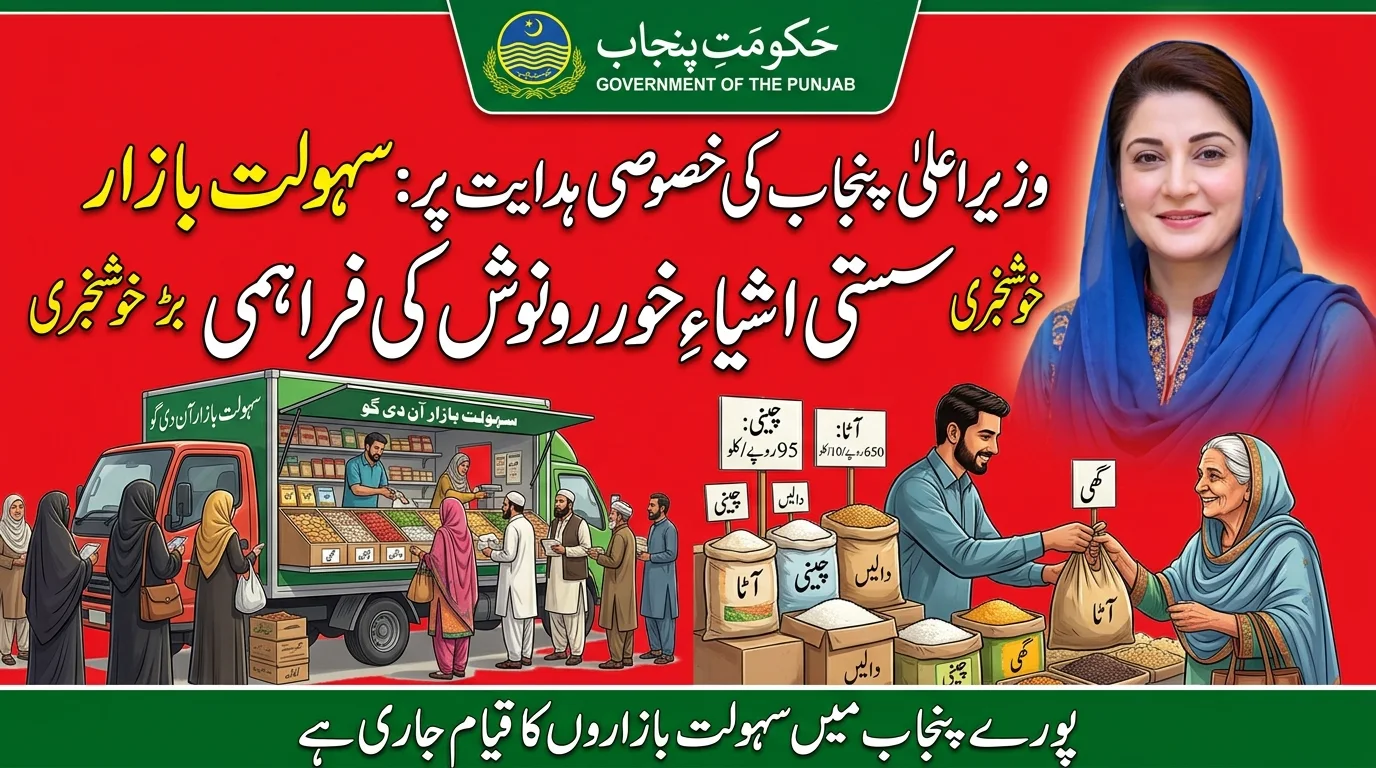
Example Price Comparison Table
| Item | Sahulat Bazar Price | Open Market Price | DC Notified Rate | Real Savings |
| Wheat Flour (20kg | Lower | Higher | Close to Sahulat | Moderate |
| Sugar | Slightly Lower | Higher | Similar | Small |
| Rice | Competitive | Higher | Not fixed | Moderate |
| Eggs | Similar | Similar | Not fixed | Minimal |
| Vegetables | Mixed | Mixed | Fixed ceiling | Depends on supply |
Key insight: relief exists but varies by product. Flour and rice often provide real savings. Vegetables and eggs sometimes show little difference. This inconsistency explains why public opinion stays divided.
Shopper Experience-What Buyers Actually Say
Government reports highlight price reductions. Real shoppers highlight availability and quality. Field observations and local feedback reveal three common experiences:
Positive Feedback
- Basic items remain available during price spikes
- Prices stay stable for longer periods
- Queues move faster than utility stores
- Families save on bulk purchases
Negative Feedback
- Limited brand options
- Some items run out early
- Quality varies by vendor
- Staff monitoring differs by location
- Buyers want consistency more than a low price. When stock finishes quickly, relief loses meaning.
Quality Control and Market Monitoring
Few articles explain how authorities monitor product quality. Each Sahulat Bazar operates under district administration oversight. Officials inspect:
- Weight accuracy
- Expiry dates
- Cleanliness
- Price display
- Vendor compliance
However, enforcement strength differs by district. Strong monitoring creates trust. Weak inspection reduces consumer confidence. This gap directly affects public perception.
City-Wise Reality-Relief Is Not Equal Everywhere
Relief depends heavily on location. Urban centers show better management compared to smaller districts.
Lahore
- Better supply chain
- Wider product range
- Stronger monitoring
- Higher consumer satisfaction
Rawalpindi
- Competitive pricing on flour and sugar
- Crowded markets during peak days
- Occasional stock shortages
Multan
- Good vegetable pricing during harvest season
Quality varies between vendors
Limited variety compared to large cities - This regional variation explains why online reviews differ widely.
Read Also: Today’s Dates(Khjoor) Price in Pakistan
Real Savings vs Advertised Savings
Government messaging often highlights percentage reductions. Household budgets reveal actual impact.
- Noticeable savings on flour
- Small savings on sugar
- Variable savings on vegetables
- No difference in branded packaged goods
Therefore, Sahulat Bazar reduces inflation pressure but does not eliminate it. Relief remains partial, not universal.
Myth vs Fact: Clearing Common Confusion
| Myth | Facts |
| All items cost much less than the open market | Only selected staples consistently cost less. |
| Quality is always lower | Quality varies by vendor and inspection strength. |
| Markets exist only for political publicity | They provide measurable price stability, though impact differs. |
| Subsidy applies to every product | Some prices reflect bulk procurement efficiency, not subsidy. |
Pros and Cons Balanced Evaluation
Advantages
- Price stability for essential items
- Accessible locations in major cities
- Reduced middlemen influence
- Helps low-income households manage expenses
Limitations
- Limited product range
- Quality inconsistency
- Regional performance gap
- Stock availability challenges
How Sahulat Bazar Can Improve Further
Practical improvements could increase real relief:
- Publish daily digital price lists
- Introduce mobile complaint tracking
- Display inspection results publicly
- Expand product range
- Standardize monitoring across districts
Conclusion
Sahulat Bazar provides genuine but limited financial relief. It stabilizes staple prices and supports vulnerable households. However, inconsistent quality, limited variety, and regional differences reduce its overall impact. Families benefit most when purchasing essential items in bulk. Occasional shoppers may not notice significant savings.
FAQs
How much money can a family save from Sahulat Bazar?
Families save money on staple items such as flour and sugar. Monthly savings are moderate, not huge. Buying in bulk gives better benefits.
Is the quality of food items good at Sahulat Bazar?
Quality varies by vendor and location. Many markets maintain good standards, but some shoppers report inconsistent quality.
Are all items subsidized at Sahulat Bazar?
No. Only selected items receive price support. Some lower prices result from bulk purchasing, not direct subsidy.
Is Sahulat Bazar better than utility stores?
Sahulat Bazar often offers fresher vegetables and faster service. Utility stores may provide more packaged goods.