Today’s Chicken Rate in Pakistan
Chicken prices in Pakistan change every day because supply and demand change daily. Feed cost, weather, and transport also influence the rate. Average Retail Chicken Price (Per Kg) is for live chicken is PKR 335 per kg, chicken meat with skin is PKR 369 per kg, and chicken meat without skin is PKR 555 per kg. In this, we also discuss daily price ranges, city-wise market trends, wholesale vs retail difference, factors affecting rates, and quality grading details. If you want to learn about the chicken rate in Lahore, Karachi, Islamabad, Rawalpindi, and Egg rate rate in Pakistan, then click.
Today’s Live Chicken Rate List In Pakistan
Here is the live chicken rate in Pakistan. The rate of chicken changed due to supply, demand, feed prices, and seasonal trends. Farmers, wholesale dealers, and retailers also play a role in deciding the chicken rate. This provides the latest prices of chicken in Pakistan, including wholesale, retail prices, prices for live chicken, chicken meat, desi chicken meat and different chicken cuts prices.
Read Also: poultry rate per kilogram
| Chicken | Rate List |
| Farm Gate Alive | Rs. 335 per kg |
| Live Broiler Wholesale | Rs. 369 per kg |
| Live Broiler Retail Prices | Rs. 383per kg |
| Broiler Chicken Meat with skin | Rs. 461 per kg |
| Desi Chicken Meat | Rs. 1250 per kg |
Latest Chicken Cuts Prices Daily Update
| Cut Type | Rate per kg |
| Chicken Leg | 680 |
| Chicken Tikka | 900 |
| Chicken Boneless Meat | 1,180 |
| Chicken Qeema | 670 |
| Chicken Breast | 1,180 |
| Chicken Neck | 315 |
| Chicken Liver | 243 |
Official Government Price
According to the most recent government prices notification of today, the price of chicken is as follows:
- Live Broiler Chicken: Rs. 369per kilogram
- Broiler Chicken Meat: Rs. 461 per kilogram
How Chicken Prices Are Decided in Local Markets
Role of wholesale Mandies
- Traders and poultry suppliers gather early in the morning.
- Prices are decided through open buying and selling.
- Higher supply lowers the rate.
- Retailers purchase stock margin.
- Daily prices are based on real-time demand.
Demand and Supply Balance
- If more chicken is provided, then the prices decrease.
- If a low amount of chicken is provided, then the prices of chicken increase.
- At any wedding ceremony or event, the demand increases, and prices also increase.
- Weather also affects the poultry prices due to its effect on the growth and delivery.
Regional Differences in Chicken Prices
Chicken prices in Pakistan vary by region due to several key factors:
- Regional Demand and Consumption: Urban areas with higher populations and income levels, like Karachi, Lahore, and Islamabad, see increased demand, especially during festive seasons. Preferences for certain types of chicken, such as desi versus broiler, also affect prices.
- Supply Chain and Transportation: Costs associated with transporting chicken from rural farms to urban centres influence prices. Areas closer to poultry farms typically have lower prices compared to those reliant on external sources.
- Price Monitoring and Regulation: Government authorities monitor chicken prices to ensure they align with market trends. Regions with strict oversight generally have controlled prices, while areas with less regulation tend to experience higher prices.
Quality Factors That Influence Chicken Price
Quality grading is the checking of the health, size, and appearance of the chicken. Higher-quality chicken gets better prices in the mandi.
- Heavier chicken has a higher cost per piece.
- Medium-sized is best for household cooking.
- Uniform weight chicken demand increases the prices.
- Fresh supply sells more in the market, which increases the chicken rate.
- Frozen chicken has low prices.
- Full chicken without skin, in but not clea, ned, waste material is cheap.
- Cut pieces are more expensive.
- Boneless chicken pieces are more expensive
Read Also: Chicken Rate Karachi Today
Detail Guide to Chicken Cuts
Here, we also discuss the details of the different chicken cuts. You learn which part of the chicken it is, what it is used for, and its price.
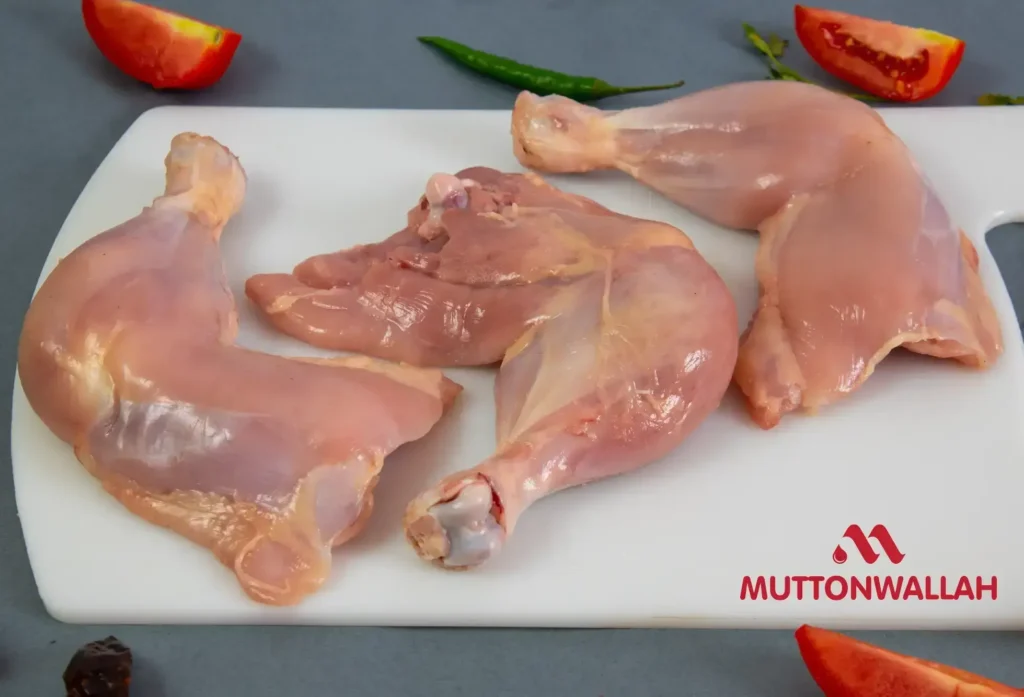
Chicken Leg
Soft and juicy are the words that can best describe a drumstick – A delicious cut of meat that can be enjoyed in a variety of ways, from curry dishes, on a barbecue, or even stir-fried. In India, currently, a kg of chicken drumsticks costs in the range of Rs 680.
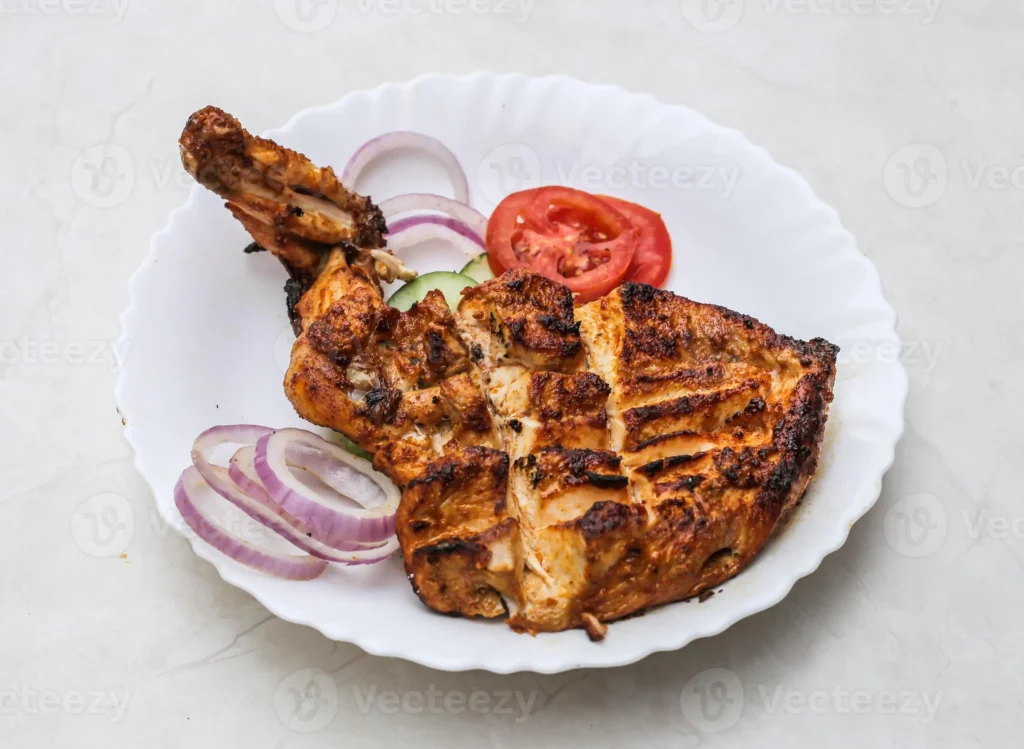
Chicken Tikka
A chicken tikka is also a soft piece of meat that has been marinated for added flavour. Cooked on hot coals or in a tandoor, it produces a rich smoky aroma and is typically served with naan or chutney. A kg of tikka costs about Rs 900.
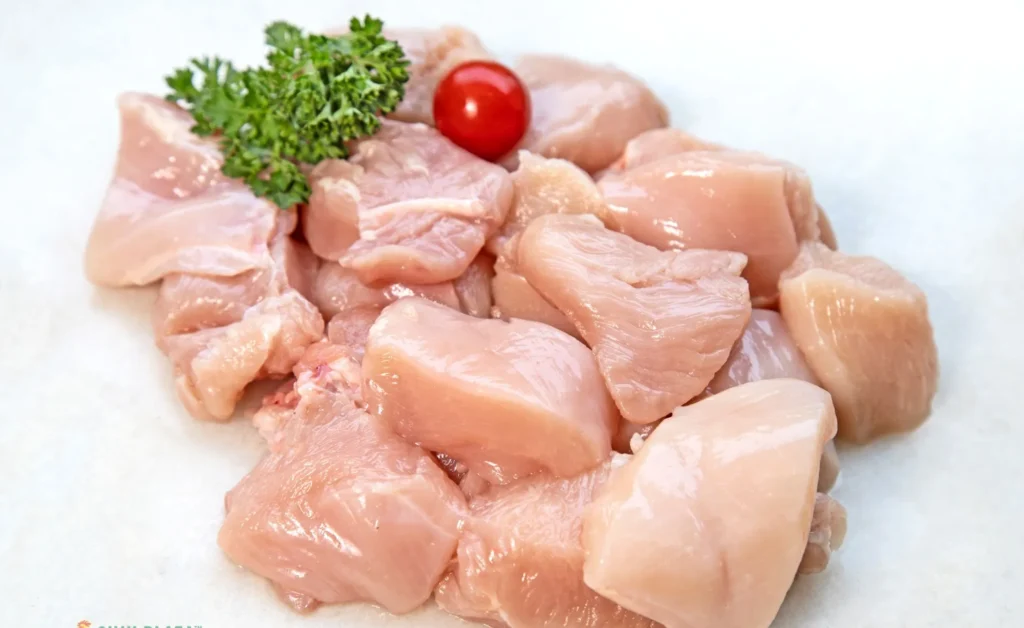
Chicken Boneless Meat
Boneless cut chicken – It is quick and easy to cook and has an excellent taste. Used in hamburgers, Chinese-style cooking, and curry dishes. Quick to cook and remains tender after being cooked. It costs about Rs 1180 per kg to purchase boneless cut chicken.
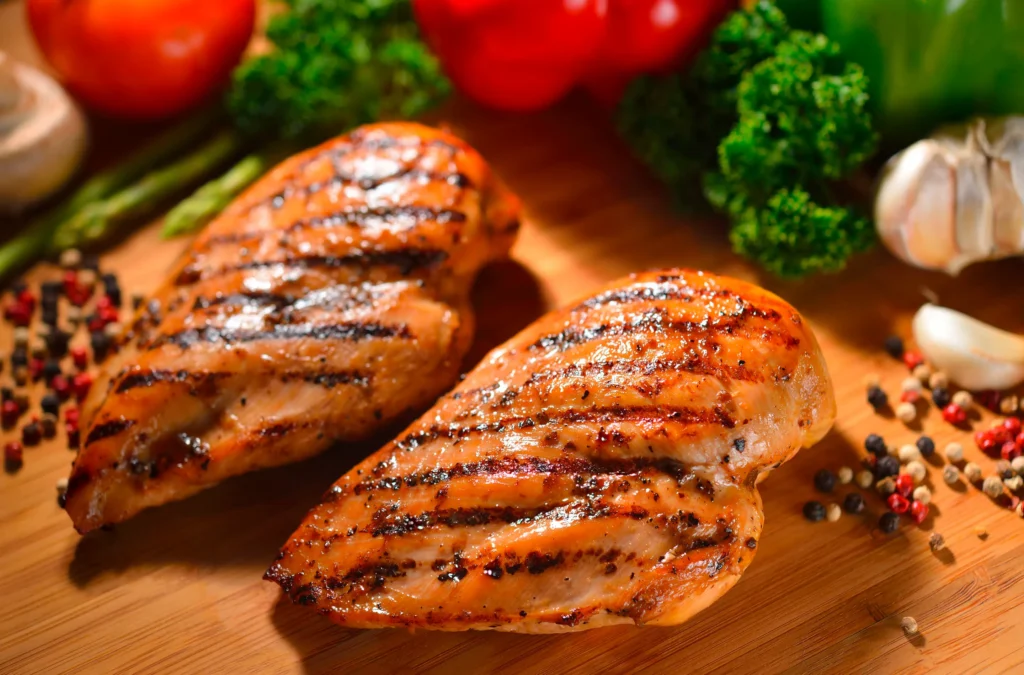
Chicken Breast
Chicken breast is high-quality meat that will keep fresh and free from excess moisture through refrigeration using cold air. The chickens were naturally fed with no growth hormones added, making them an ideal protein source for health-conscious individuals. The current cost of chicken breast in India is approximately Rs 1180 per kg.
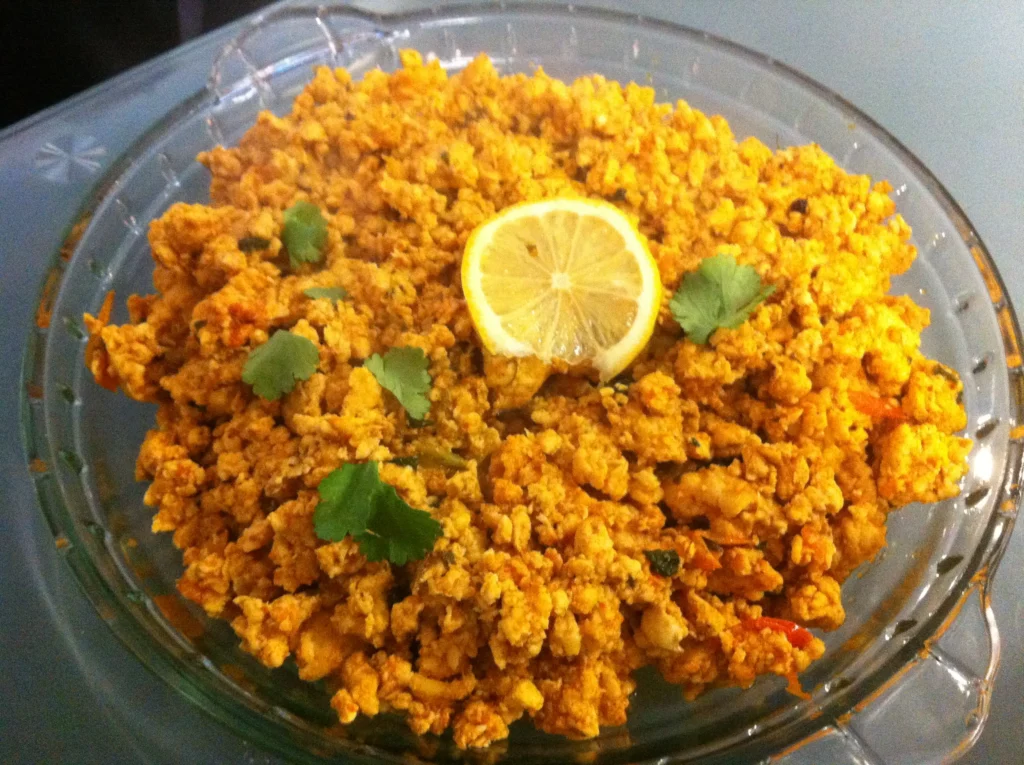
Chicken Qeema
Used to make minced curries, kebabs, and samosas. It has a mild flavour, and it can be very delicious. The price per kg of minced chicken is approximately Rs 670.
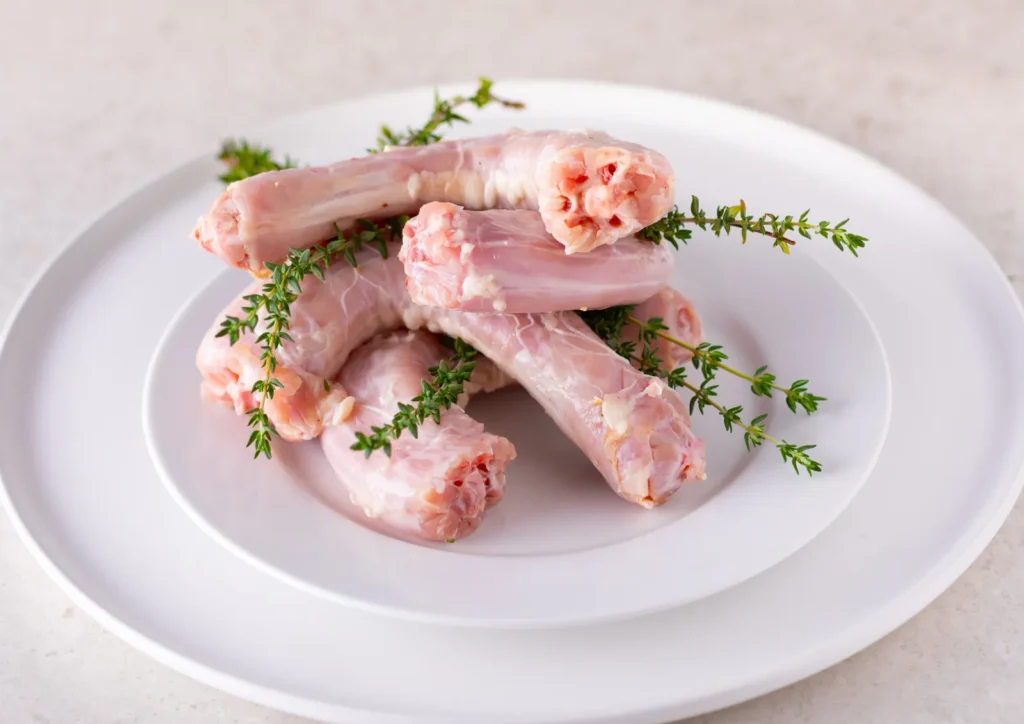
Chicken Neck
The neck of the chicken is usually reserved for preparing soups and stocks, but it will also impart flavour to other dishes cooked with the neck. The price of chicken neck is approximately Rs 320 per kg.
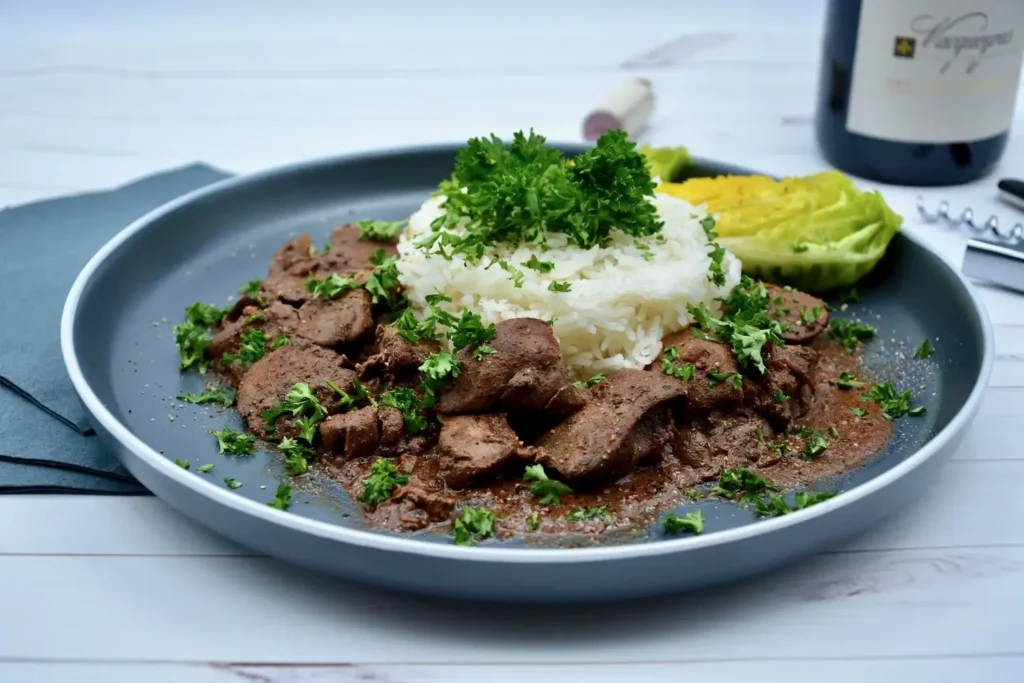
Chicken Liver
The liver of the chicken also provides a nutritious part of the total body of the bird in terms of vitamins and iron, which are necessary for human health. The chicken liver also provides flavour to many different types of meals. The current cost of a kg of chicken liver is anywhere from Rs 240 to Rs 243.
Factors Affecting the Chicken Prices
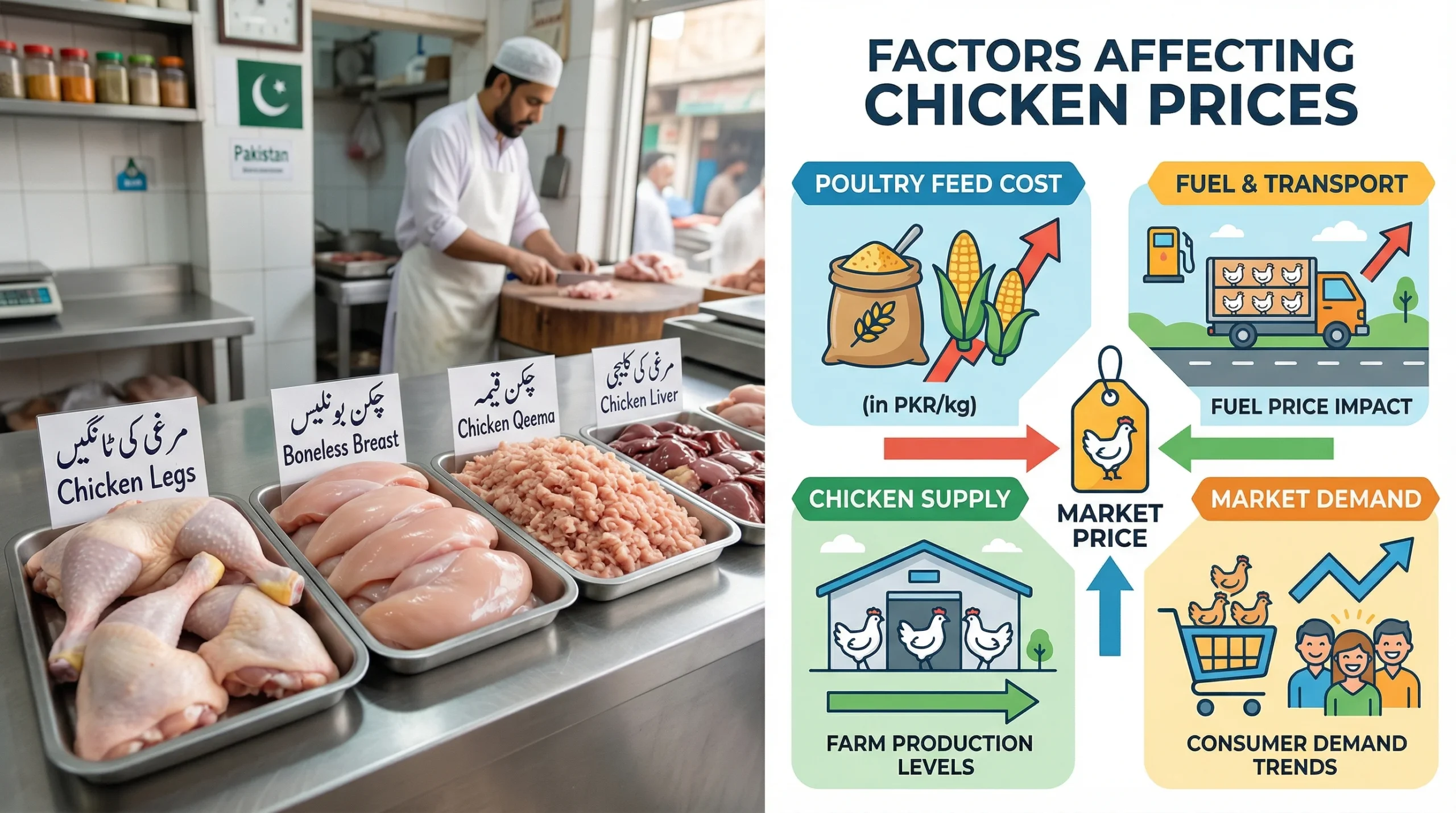
Supply and Demand
- If more chicken arrives in the mandi, the prices decrease.
- If a low amount is available, the prices go up
Quality of chicken
- Healthy, fresh, and good-weight chicken has high prices.
- Sick, weak, or low-weight chicken sells for a low cost.
Demand from the buyers
- Restaurants, shops, and wholesalers buy chicken in large amounts.
- If the demand is very high, the prices also increase. If demand is low,w the prices of chicken decrease.
Seasonal Factors
- At the annual festival or event, demand for chicken increases, and the prices of chicken also increase.
- In the off-season, there is low demand for chicken, and prices decrease.
Feed cost
- If feed prices are high,gh then they increase the prices of chicken to cover their cost.
Fuel and Transport Cost
- If fuel prices increase, the delivery prices also increase. So, the prices of chicken increase.
- Long-distance delivery options increase the chicken rate.
- If the mandi is far from the farm, the mandi will increase prices to support the transport prices.
Government Policies & Rate Control:
- Official price rates can be undermined by weak enforcement, and policy changes can significantly affect market prices.
Diseases and Farm Conditions:
- Outbreaks and poor farm conditions can reduce chicken supply, leading to higher prices.
Difference Between Wholesale and Retail Prices
Wholesale is selling goods in large quantities to businesses or retail at lower prices. Retail is selling goods in small quantities directly to consumers at high rates. Here, a comparison between wholesale and retail prices is given in a simple way that you can understand easily.
Why Retail Prices Stay Higher
Retail prices stay higher due to the reasons that are given:
- Storage and refrigeration cost.
- Labour services for cleaning and cutting.
- Transport cost from Mandi to the shop.
- For the business profit margin.
| Features | Wholesale | Retail |
| Quantity Sold | Large | Small |
| Buyer | Businesses or retailers | End consumers |
| Price per Unit | Lower | Higher |
| Purpose | Business use | Personal use |
Nutrition of Chicken
Protein
- Chicken is a rich source of high-quality protein.
- It helps build muscles, repair body tissues, and support growth.
Vitamin B6
- Supports brain function and energy production.
- Helps the body use protein and carbohydrates properly.
Vitamin B12
- Important for healthy nerves and red blood cells.
- Helps prevent weakness and supports brain health.
Low Fat
- Skinless chicken contains less fat compared to many red meats.
- It is a good choice for people who want a balanced diet.
Calcium and Phosphorus
- These minerals help make bones and teeth strong.
- They support overall bone health and body strength.
Seasonal and Weather Impacts on Poultry Supply
- Heat Stress in Summer: High temperatures can hinder chicken growth, reduce egg production, and increase mortality, affecting supply.
- Cold Weather Effects: Low temperatures may lead to health issues, higher feed consumption, and increased farming costs, impacting market availability.
- Rainy Season Challenges: Heavy rains and flooding can damage farms, disrupt feed supply, and delay transportation.
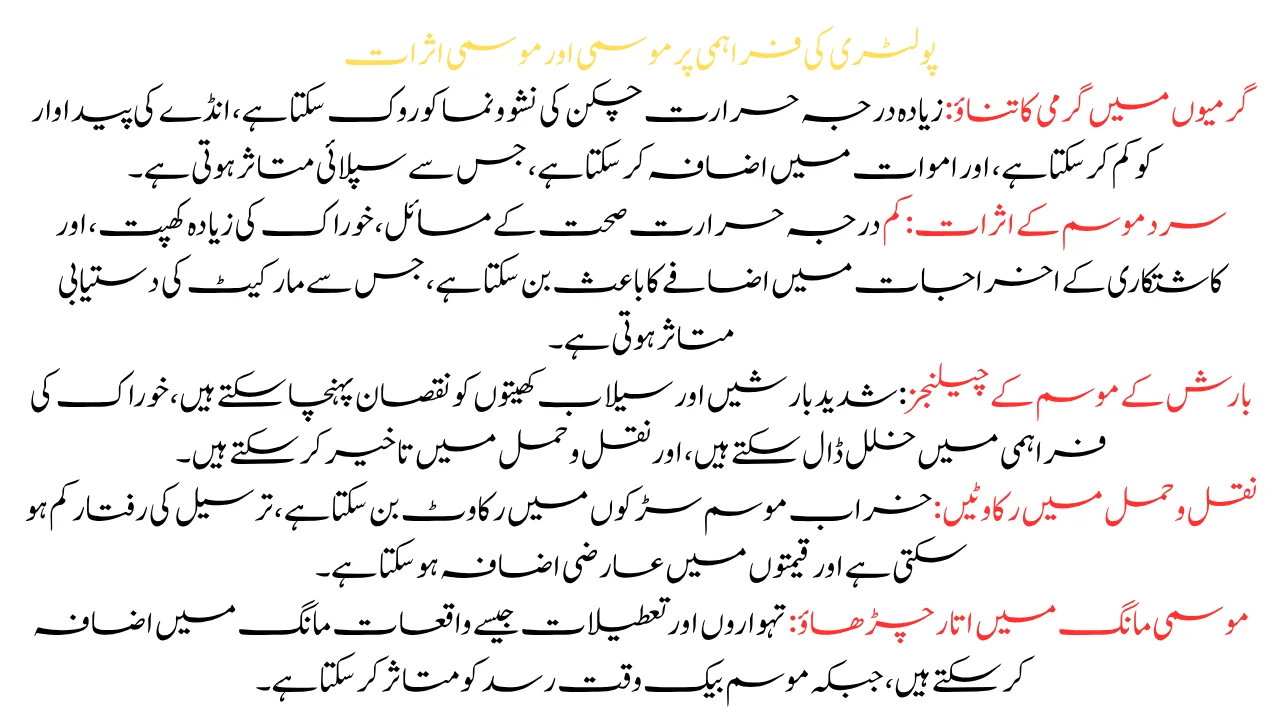
- Transport Disruptions: Bad weather can obstruct roads, slowing delivery and causing temporary price spikes.
- Seasonal Demand Fluctuations: Events like festivals and holidays can increase demand, while weather can simultaneously affect supply.
Buyer Guidance to Get the Best Price
It is best for the buyers because this section gives advice on how to get the chicken at the best prices from the market. It is most useful for the buyers. Lets started.
- First, the buyers should compare the prices of multiple shops.
- If you want to get a fresher stock of chicken, you should go early in the morning to get it.
- Get the chicken’s weight before purchasing.
- Ask for the official price list and see prices for the government.
- Buying a large amount of chicken reduces the price as a discount.
Conclusion
Government price notifications provide a basic guideline, but shop prices may be higher because of transport, storage, and cutting costs. Fresh, healthy, and properly sized chicken usually has a higher value, while frozen or low-quality chicken is sold at lower rates. Different cuts, such as breast, boneless meat, and tikk, are more expensive than whole chicken because of extra processing. For the best purchase, compare prices in different markets, buy early for fresh stock, and check the weight before payment. Staying informed about daily rates helps consumers manage expenses and helps traders make better selling decisions in a changing market.
FAQ’s
What is today’s chicken rate in Pakistan?
Today, the price changes by city and market. Live chicken and meat have different prices. The live chicken rate in Pakistan ranges from Rs. 335-Rs.461 per kg.
Why do chicken prices change every day?
Supply and demand change daily. Feed cost and fuel cost also change the price.
Why is boneless chicken more expensive?
Shopkeepers remove bones and clean the meat. They give the meat neat and clean without bones.
Does the government give the official chicken price?
Yes, the government shares a price list. Market price can stay higher.
Which chicken cut costs the most?
Boneless meat and breast chicken pieces are more expensive. They are clean and easy to cook.
Does the season affect chicken price?
Yes, festivals and events increase demand. High demand increases the price.
Why do chicken prices fluctuate so often?
Prices vary due to feed costs, supply and demand, seasonal weather, transportation expenses, and events that increase consumption.